
Waste Management Update - Winter 2025

Salmonella gets introduced into trash bins from discarded food, such as raw meat, eggs, and unpasteurized dairy. Other waste materials like used tissues, diapers, and spoiled produce can also introduce this bacterium into trash bins. Salmonella can live on plastic surfaces for an extended period of time, ranging from several days to months. Salmonella can survive for 32 hours on a dry kitchen counter. Salmonella can lead to food poisoning and can cause gastrointestinal issues, such as diarrhea, cramps, vomiting, and nausea. E.coli also gets introduced into bins through food and waste, like meat, pet waste, and discarded diapers. E.coli thrives in warm, moist environments and can cause gastroenteritis and lead to symptoms such as vomiting and diarrhea. Severe illness caused from E.coli are particularly higher among children, elderly adults, and persons with weakened immune systems. Listeria gets introduced into trash bins primarily from food waste, like deli meat, unpasteurized milk and cheeses, raw sprouts, and smoked seafood. Listeria can thrive in moist, warm environments of a trash bin. Listeriosis is illness that is caused from Listeria and can cause muscle aches and gastrointestinal symptoms like nausea and diarrhea. Severe illness can occur among high-risk individuals, such as persons with weakened immune systems, elderly adults, and pregnant women. Staphylococcus Aureus is a bacterium commonly found on the skin and in the respiratory tract and gets introduced into trash bins through discarded tissues, bandages, and other hygiene products. Skin infections are the most common type of staph infection and severe infections can cause pneumonia and bloodstream infections. Mold is not a bacteria, but rather, a type of fungus that grows in trash bins because of the combination of moisture, darkness, dampness, and decaying waste matter. Leaking trash bags, spills, and humidity creates a breeding ground for mold spores that are already present in the air. Exposure to these spores can lead to allergic reactions and respiratory conditions, like eye irritation, wheezing, headaches, and nasal and sinus congestion. The combination of discarded organic waste and moisture creates an ideal breeding ground for bacteria. The warm, moist, and dark conditions within trash bins are ideal for bacteria to rapidly multiply. The best way to minimize exposure to harmful bacteria and illness from handling dirty bins is with professional bin cleaning to ensure removal of debris, waste, and sanitation of your trash bins. References: Mohamadou et al, 2020. Proliferation of microorganisms in household waste: What are the health risks? International Journal of Recent Scientific Research, 11(9), 1-7 Shen et al, 2024. Distribution and survival of pathogens from different waste components and bioaerosol traceability analysis in household garbage. Environmental Research, 252(3) obtained from https://www.sciencedirect.com/science/article/abs/pii/S0013935124009204#:~:text=Garbage%20rooms%20are%20temporary%20dumping,et%20al.%2C%202022)
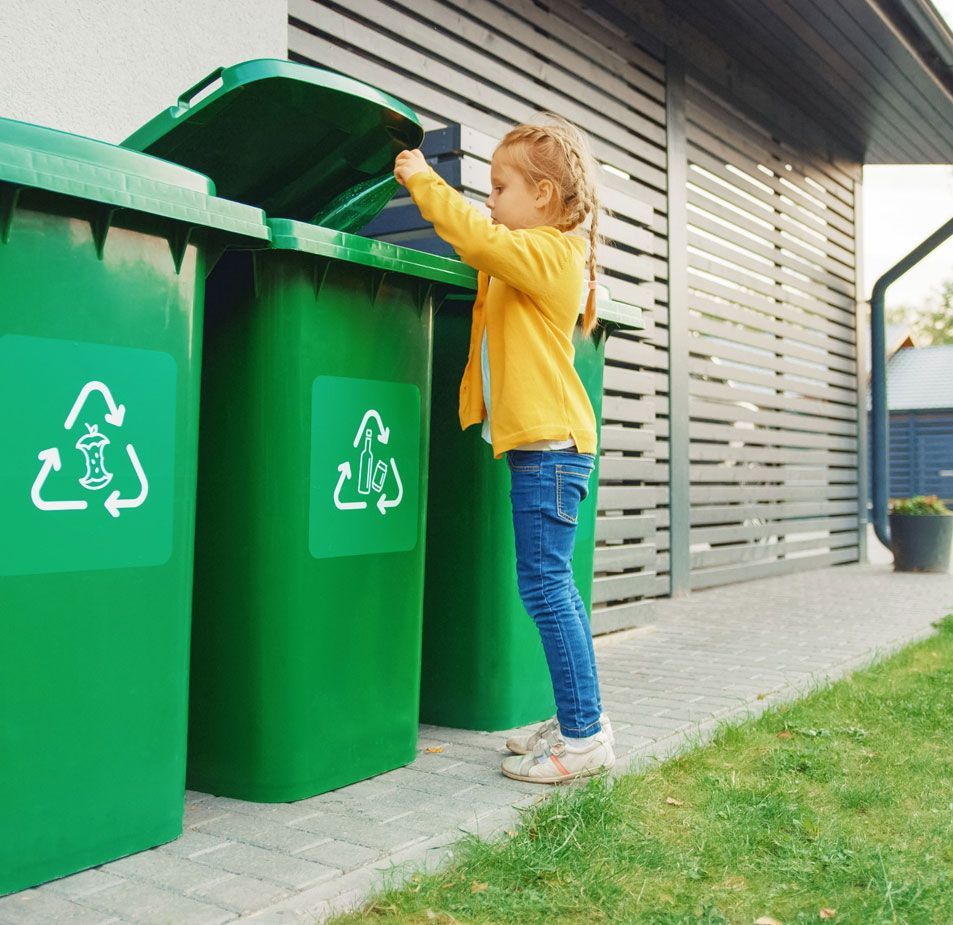
Bacteria in dirty trash bins can cause illness through a process called cross-contamination. Cross contamination leads to the transfer of bacteria from dirty bins to the hands of the person handling the bin who then touches his or her mouth, nose, or eyes. Contaminated hands that touch frequently handled items, like doorknobs, faucets, and phones, can also cause illness of another person touching those same items. Mold and mildew in dirty bins can release spores that can cause respiratory issues and illness when inhaled, including allergies, asthma, and various respiratory infections. Dirty trash bins also attract pests like flies, cockroaches, and rodents, which are known to carry diseases that can spread to different areas of your home. A single household fly can transmit at least 65 different illnesses to humans when the fly lands on surfaces, food, and people. These illnesses can include gastrointestinal infections when the fly transmits bacteria, parasites, viruses, and fungi. By keeping your trash bins regularly cleaned and sanitized, it will help eliminate the breeding ground of flies, other pests, and rodents. References: Cleveland Clinic: What is cross contamination and how can you avoid it? obtained from https://health.clevelandclinic.org/cross-contamination-risks National Institute of Environmental Health Services: Mold overview obtained from https://www.niehs.nih.gov/health/topics/agents/mold PennState – Household files obtained from https://extension.psu.edu/house-flies

The body content of your post goes here. To edit this text, click on it and delete this default text and start typing your own or paste your own from a different source.
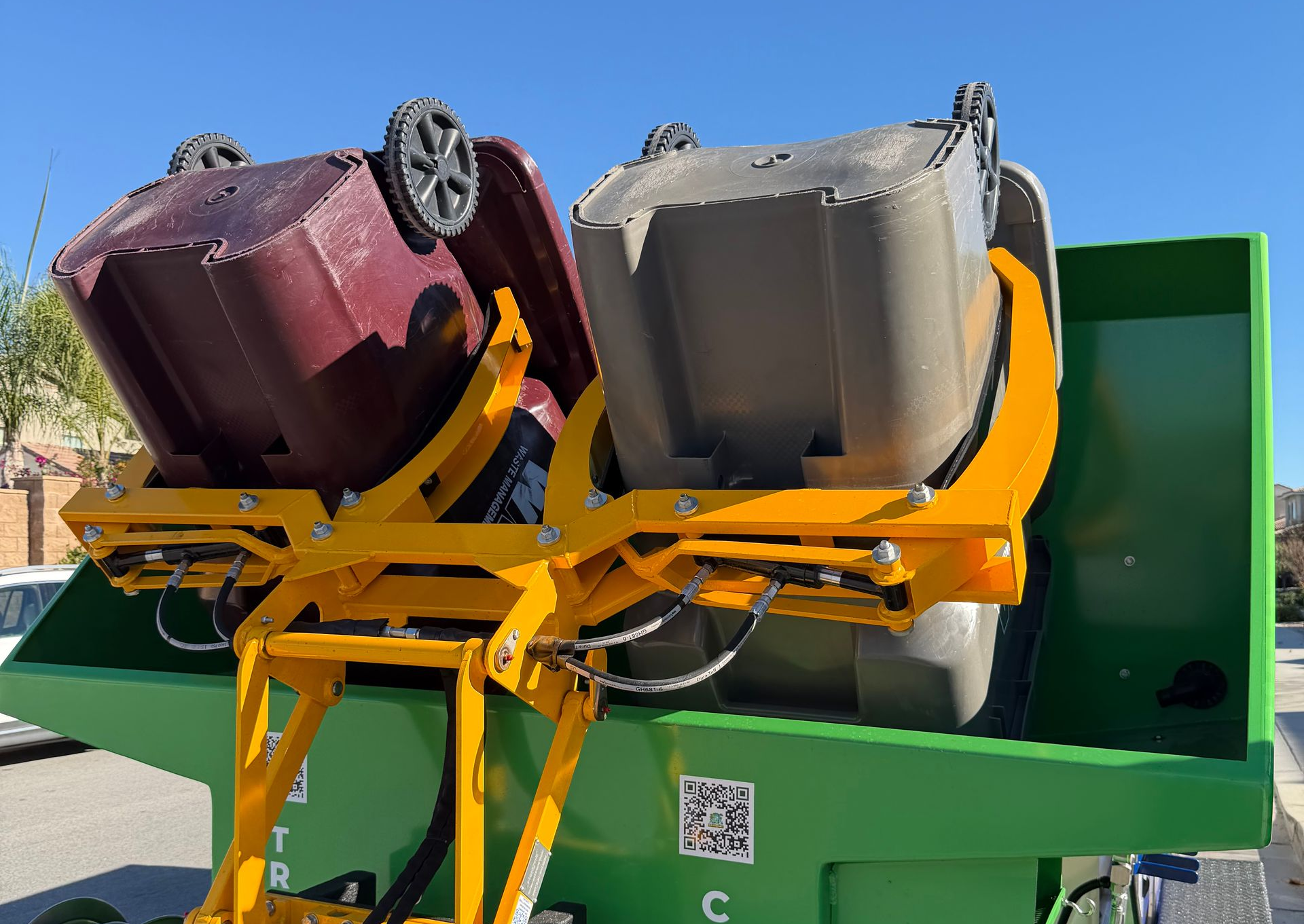
Decomposing food and organic waste material are a food source for bacteria. Trash bins cause bacteria to grow and multiply because of their warm, humid environments. When bacteria feed off food and organic waste, they excrete chemical waste of their own, causing unpleasant odors. These chemical waste byproducts lead to growth of other bacteria within trash bins, such as Salmonella, E. coli, Listeria, and Staphylococcus Aureus. Mold is also commonly present in trash bins because they also feed off of food and waste and provide a dark, damp, and warm space to rapidly grow and multiply. Bacteria can survive for several weeks to months in trash bins, with many thriving in warm environments and accelerating in both dry & moist conditions. Trash bins are not only a breeding ground for bacteria, but insects and rodents carry bacteria from trash bins and spread to other surfaces and living spaces. These bacteria can cause gastrointestinal illness, skin infections, and respiratory issues, posing health risks to anyone handling dirty trash bins. Trash bin cleaning cleans and sanitizes bins by using high-pressure water to remove cacked on debris and high temperature water to kill bacteria through heat up to 200 degrees Fahrenheit. This process eliminates unpleasant odors, bacteria, and mold that thrive in contaminated trash bins. By removing residual food and waste within dirty trash bins, it helps control pests promotes a healthier, cleaner environment.
